In August, I visited Japan for a week — partially for vacation, partially for a fencing camp. Everything was so orderly: the crowded train stations ran smoothly, and Tokyo’s streets glistened despite the plethora of vending machines and convenience stores. Just a few hours away, towns like Takayama allowed an experience of the past, where…
In August, I visited Japan for a week — partially for vacation, partially for a fencing camp. Everything was so orderly: the crowded train stations ran smoothly, and Tokyo’s streets glistened despite the plethora of vending machines and convenience stores. Just a few hours away, towns like Takayama allowed an experience of the past, where locals rode the jinrikisha through narrow lanes closed in by cypress Machiyas, traditional wooden houses. Despite my exhausting (though enjoyable) training days, I’d find myself nose-deep in specialty sweet shops, looking for that next best regional snack, and traveling around as I made a note of which popular landmarks I liked the most.
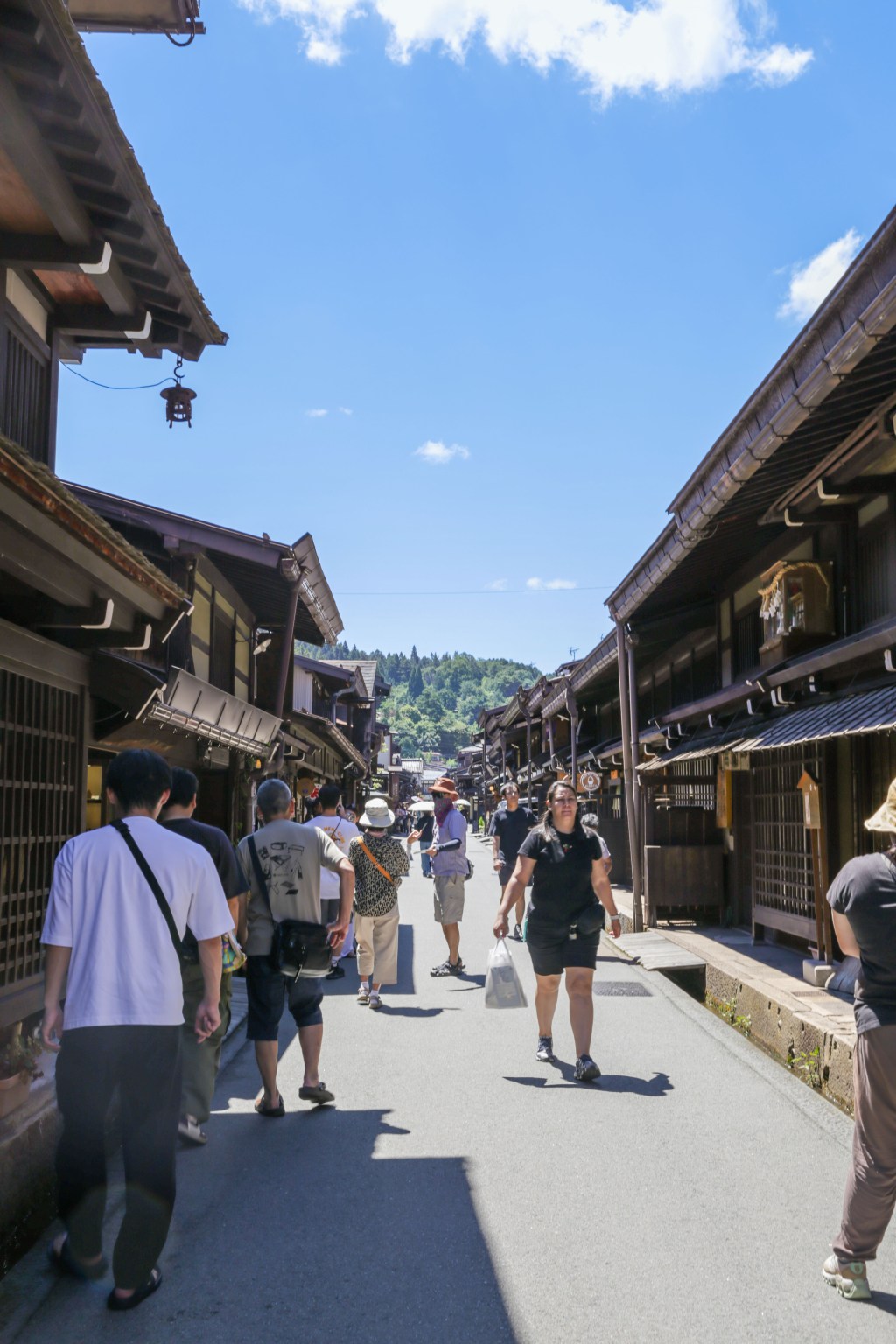
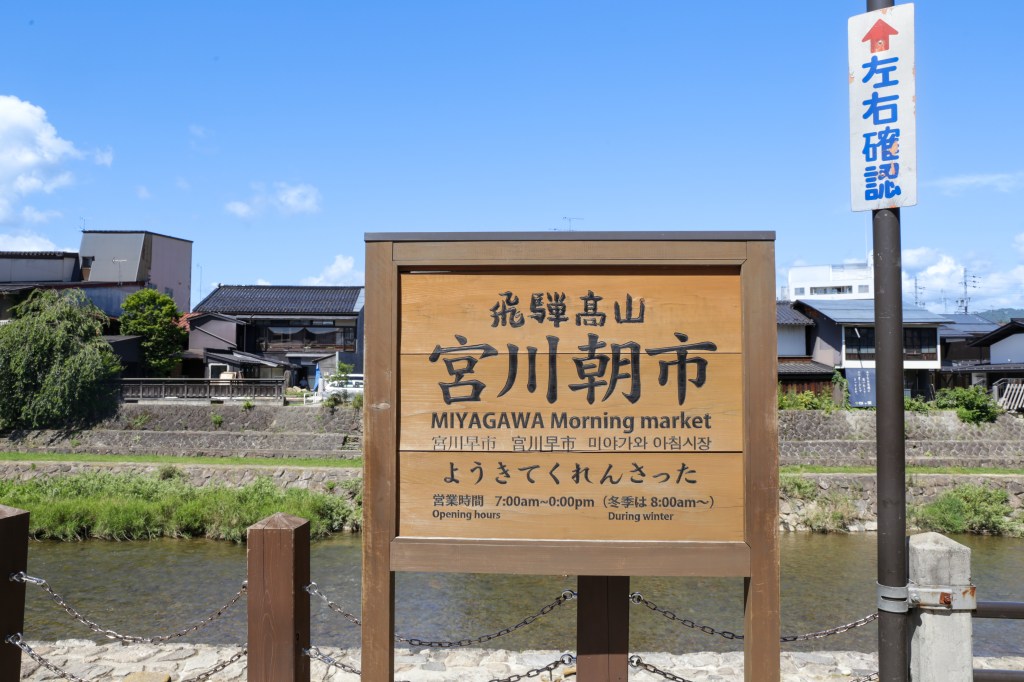
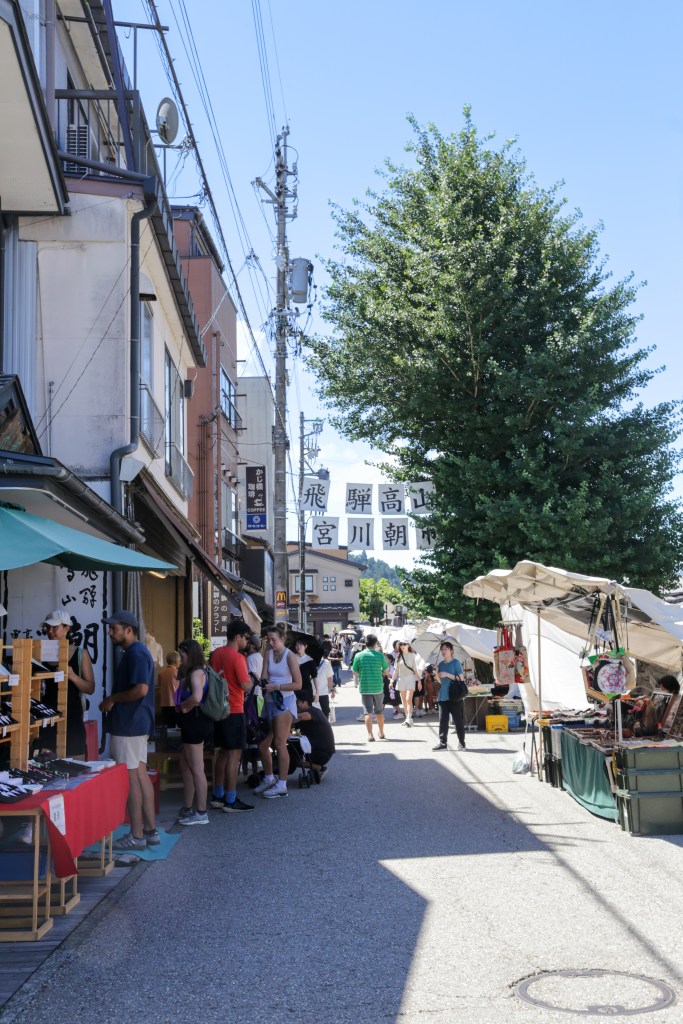
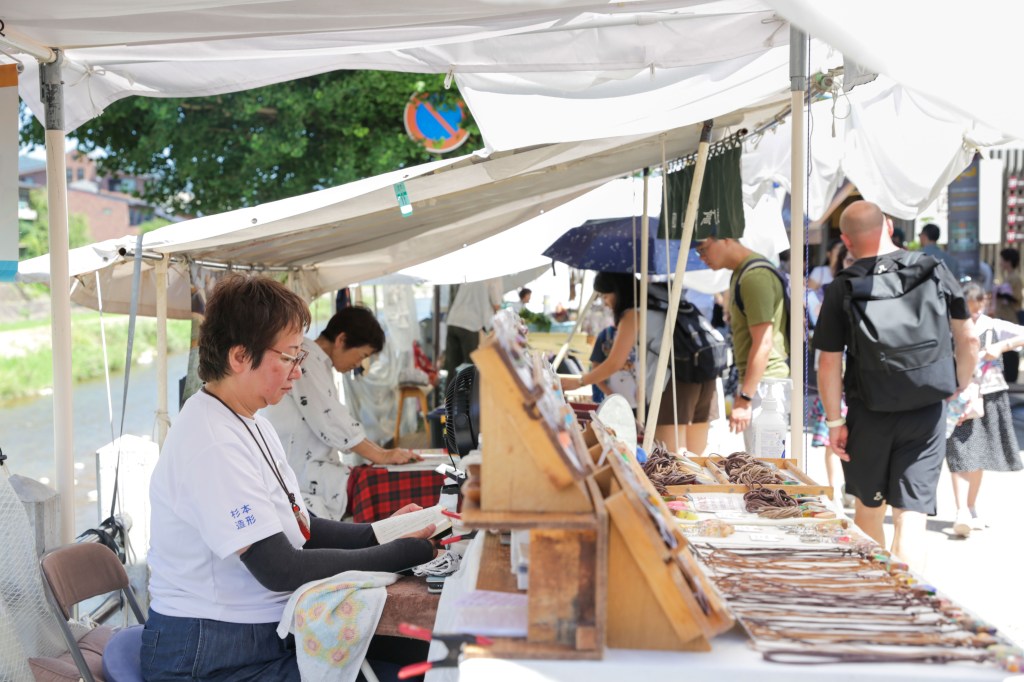
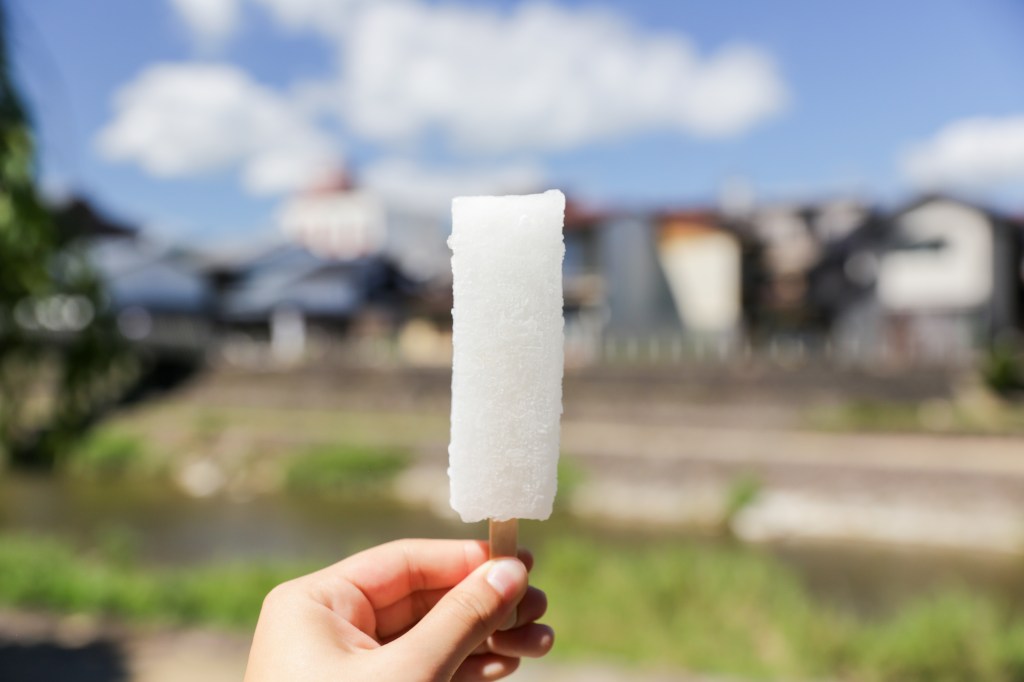
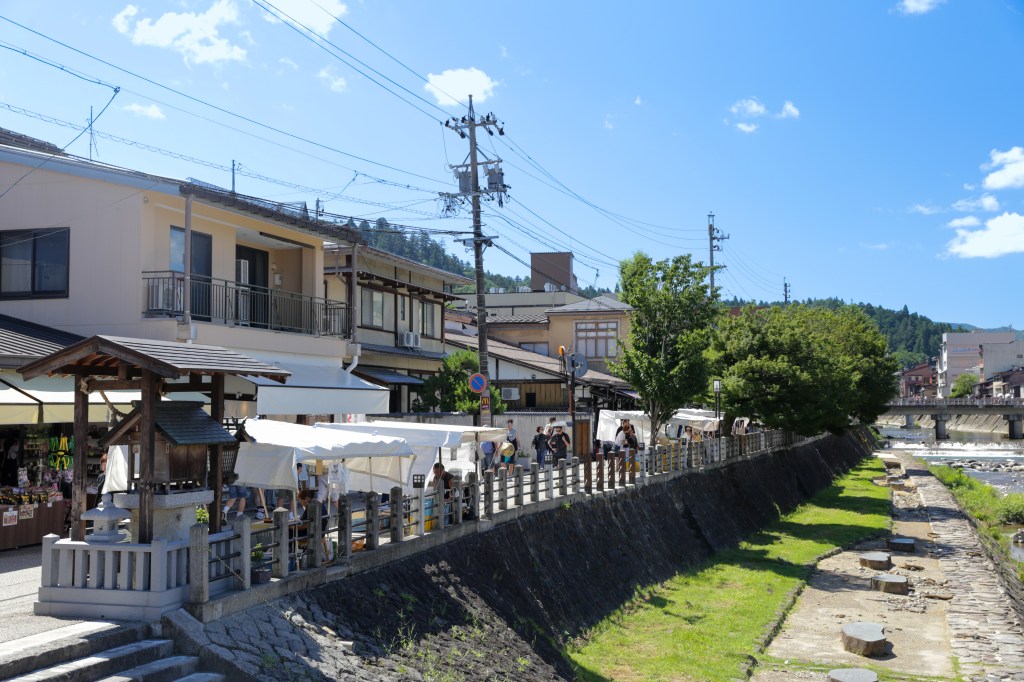
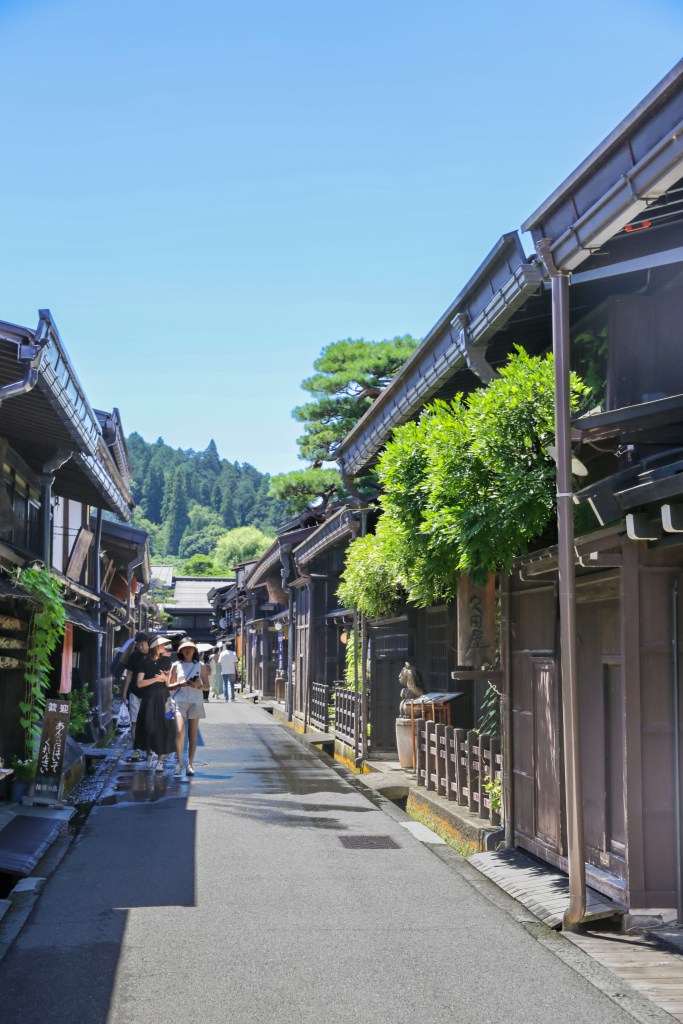
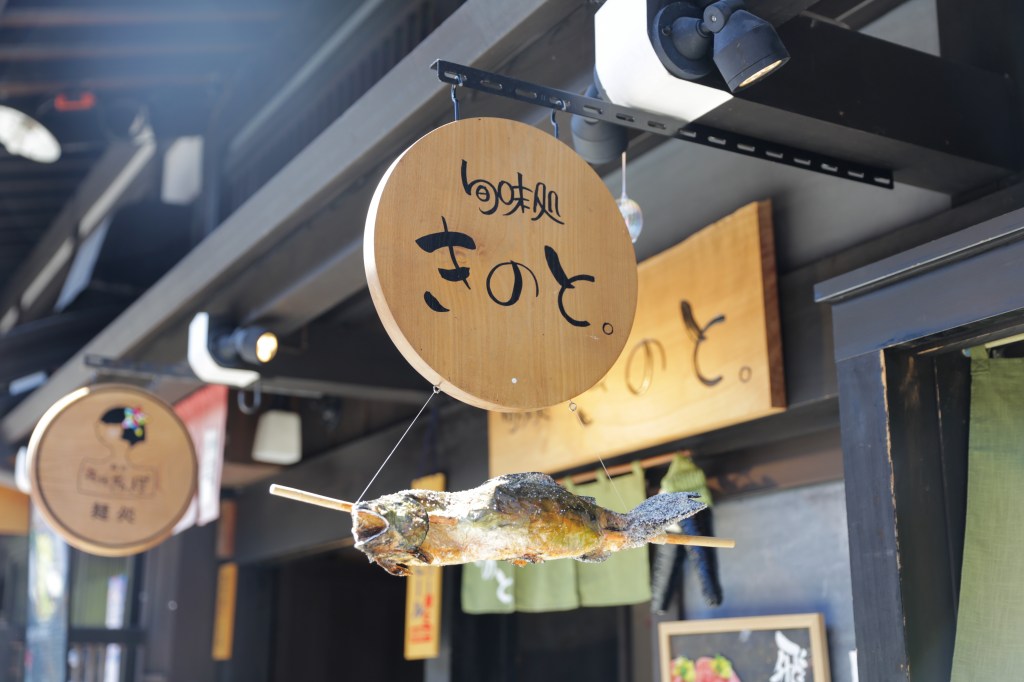
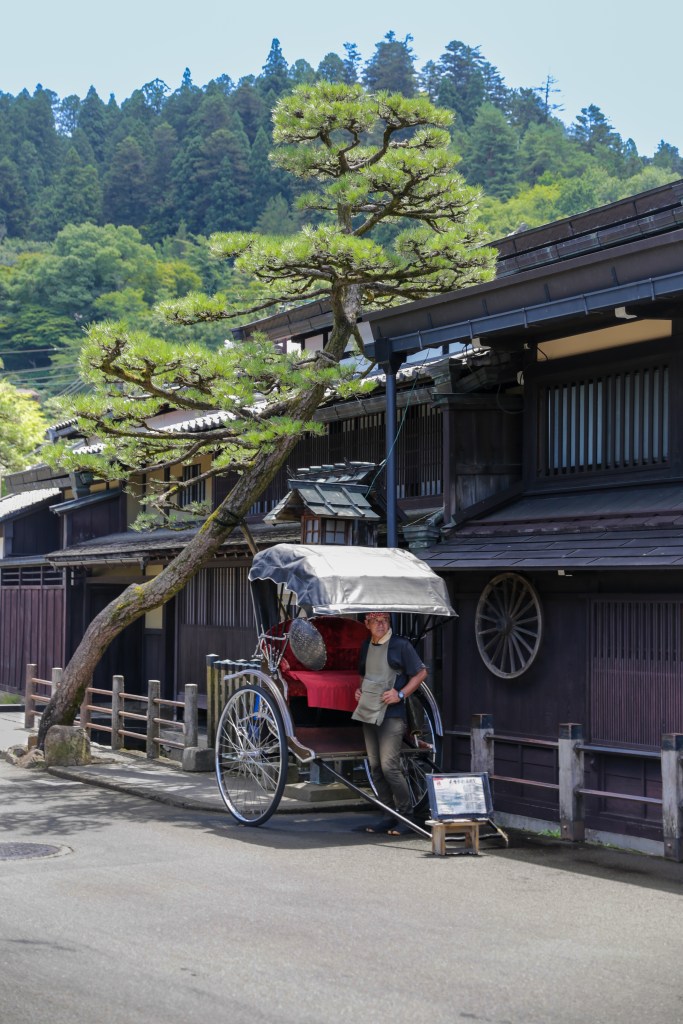
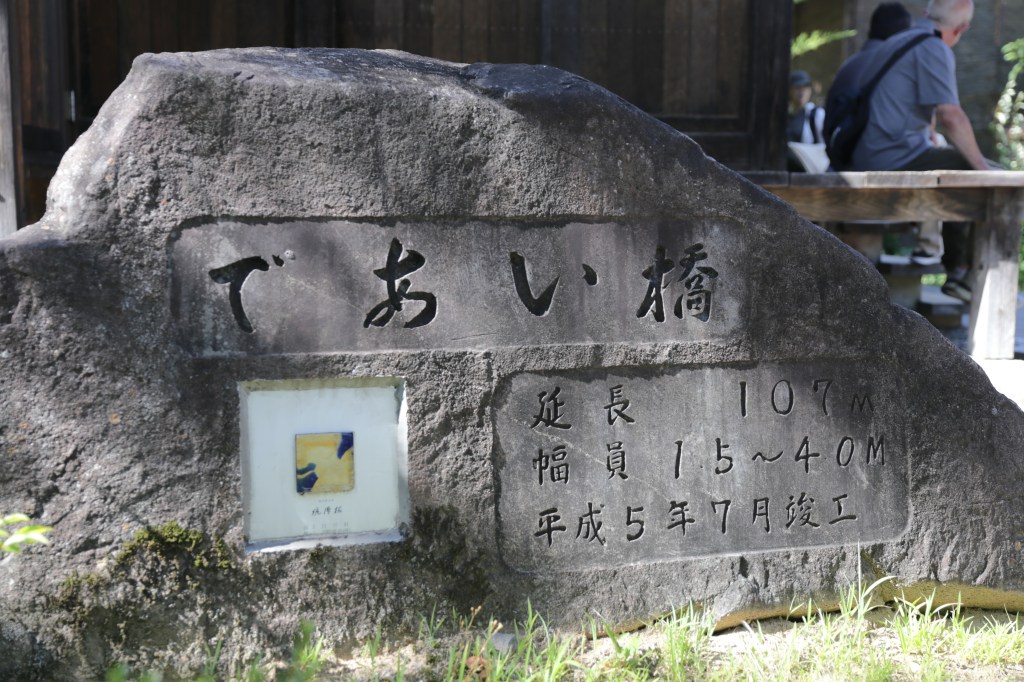
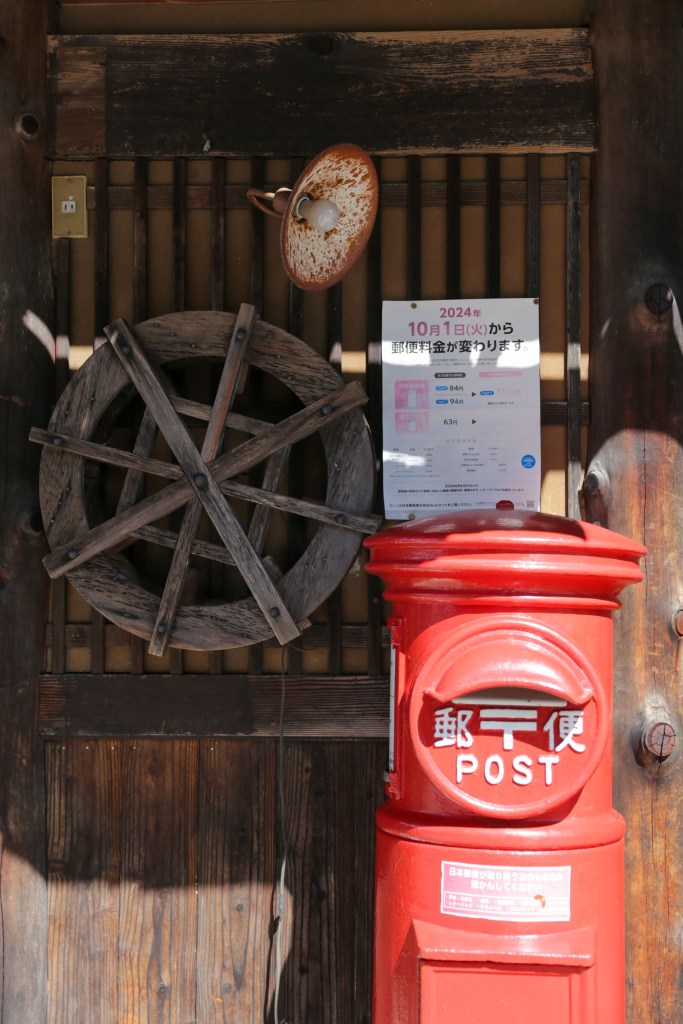
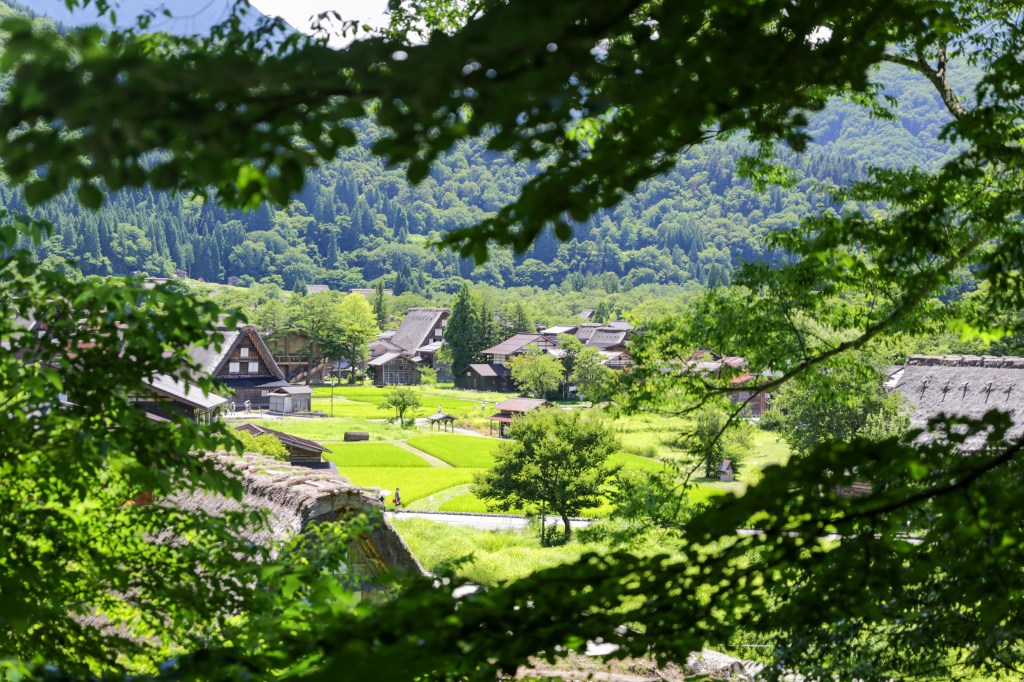
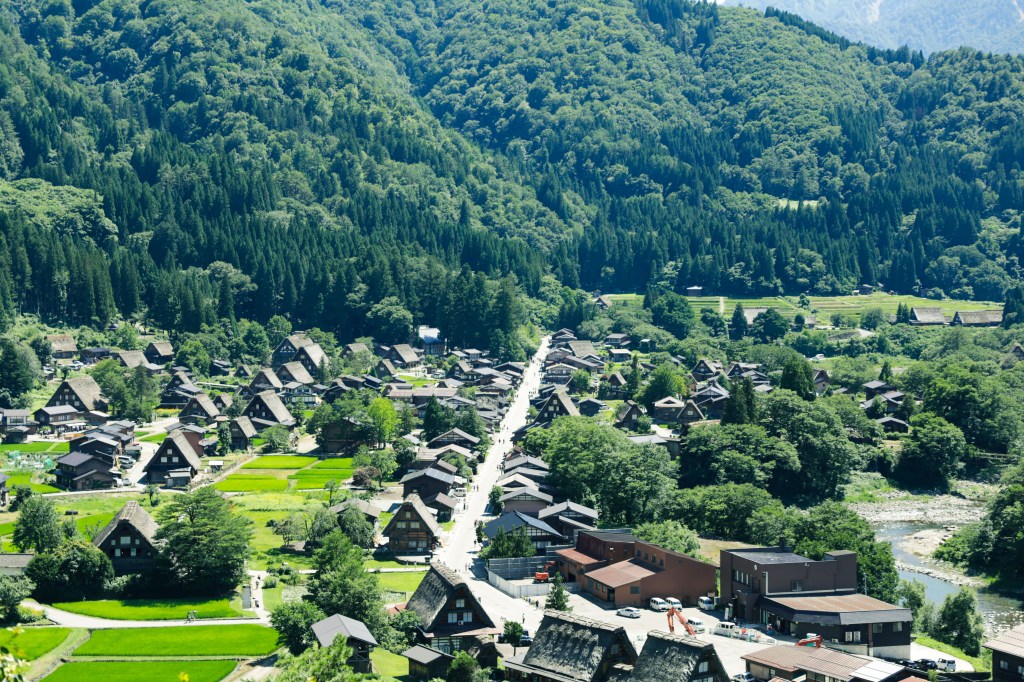
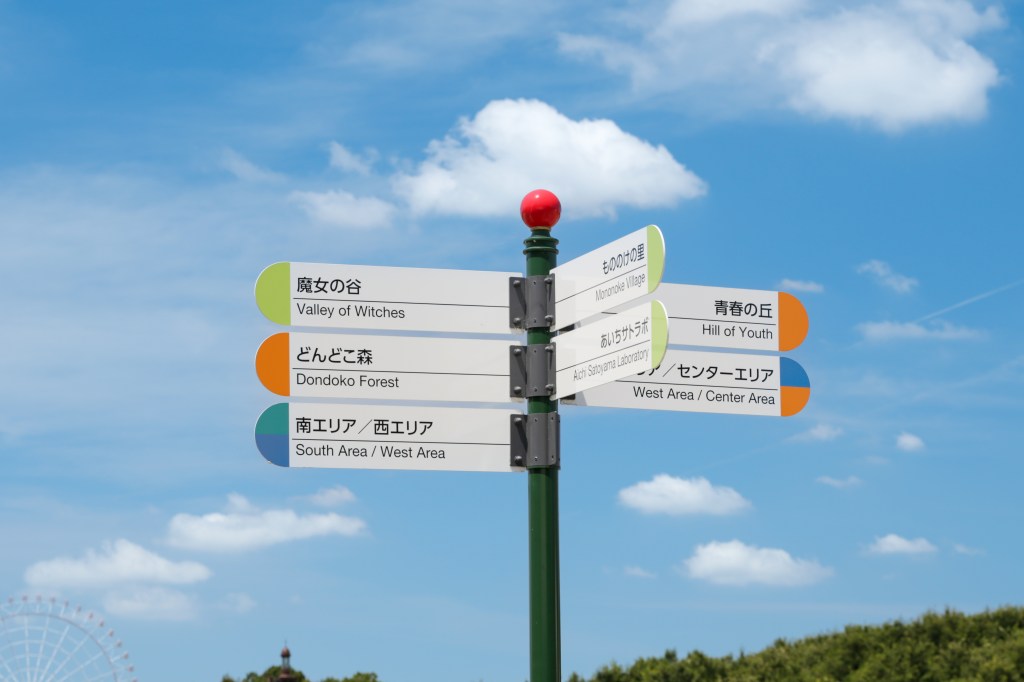
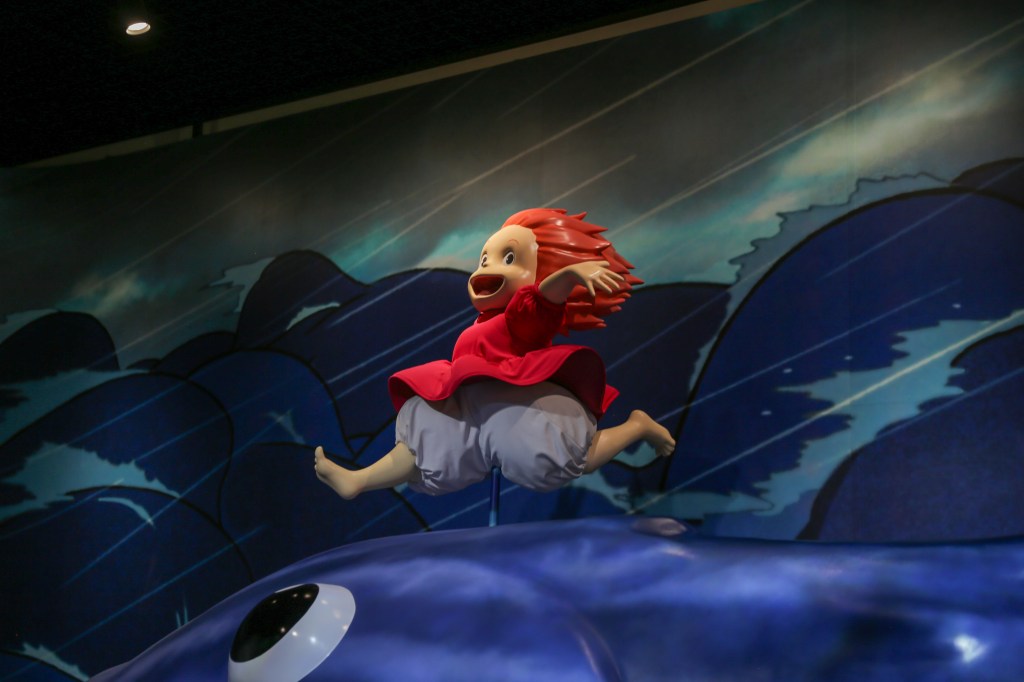
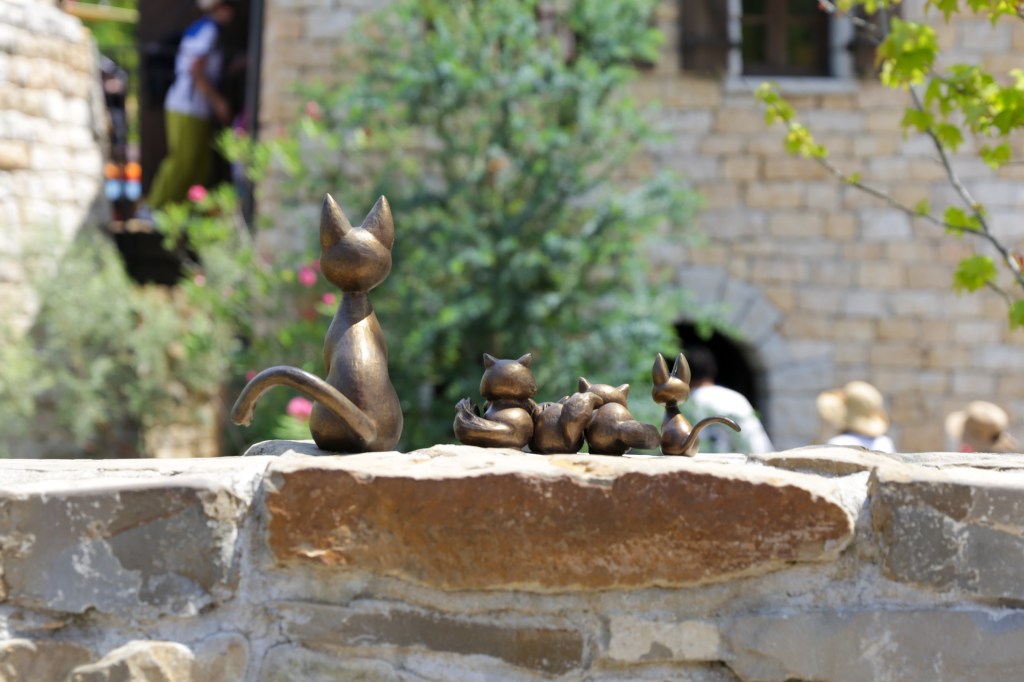
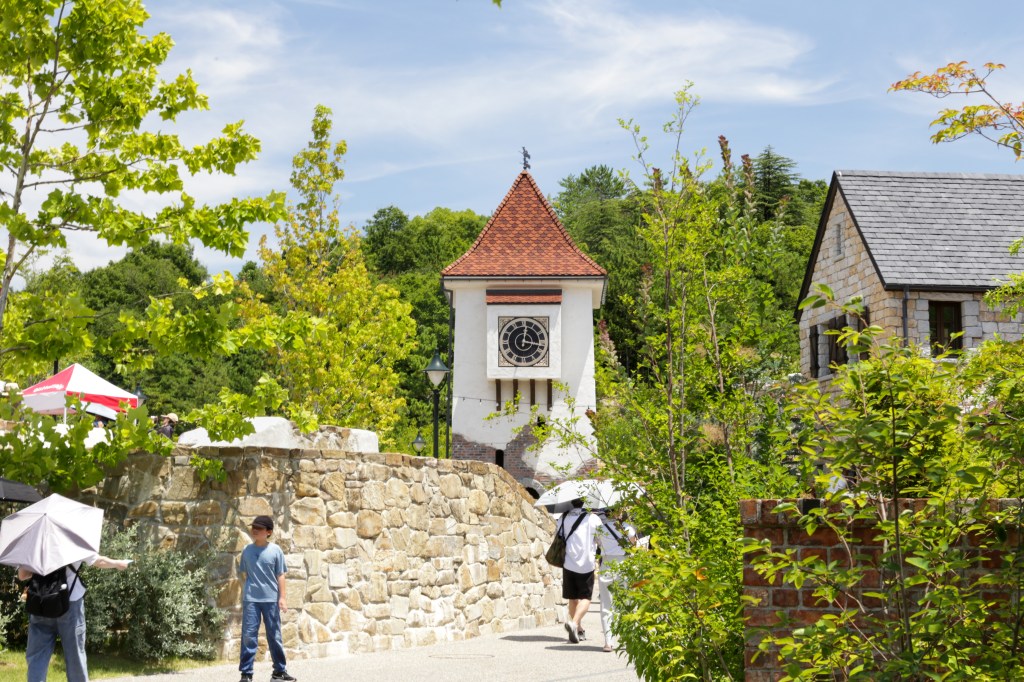
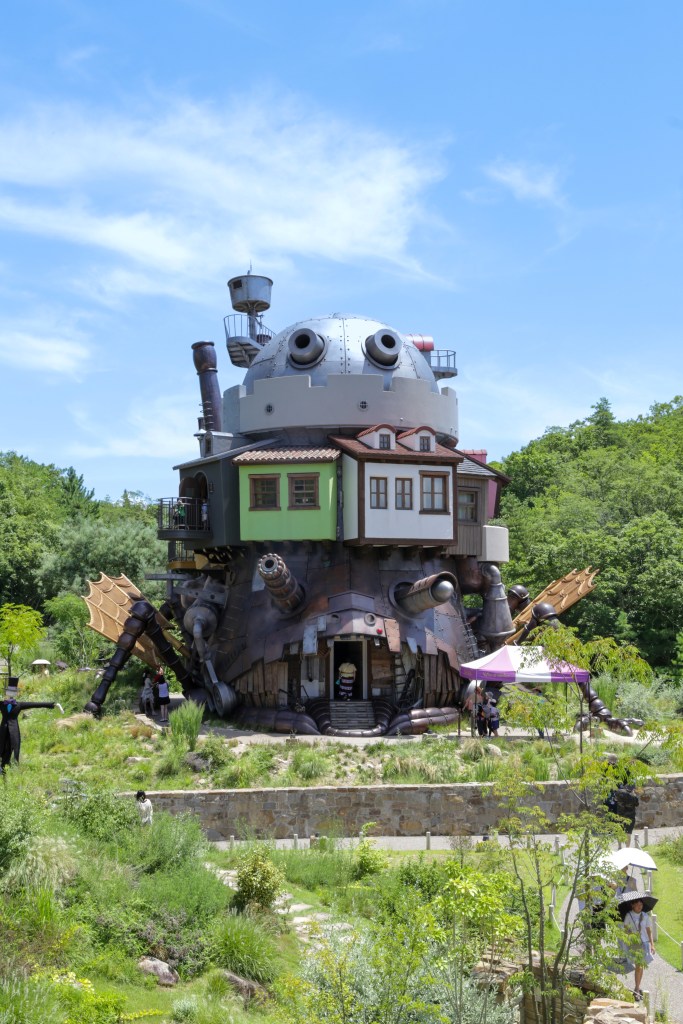
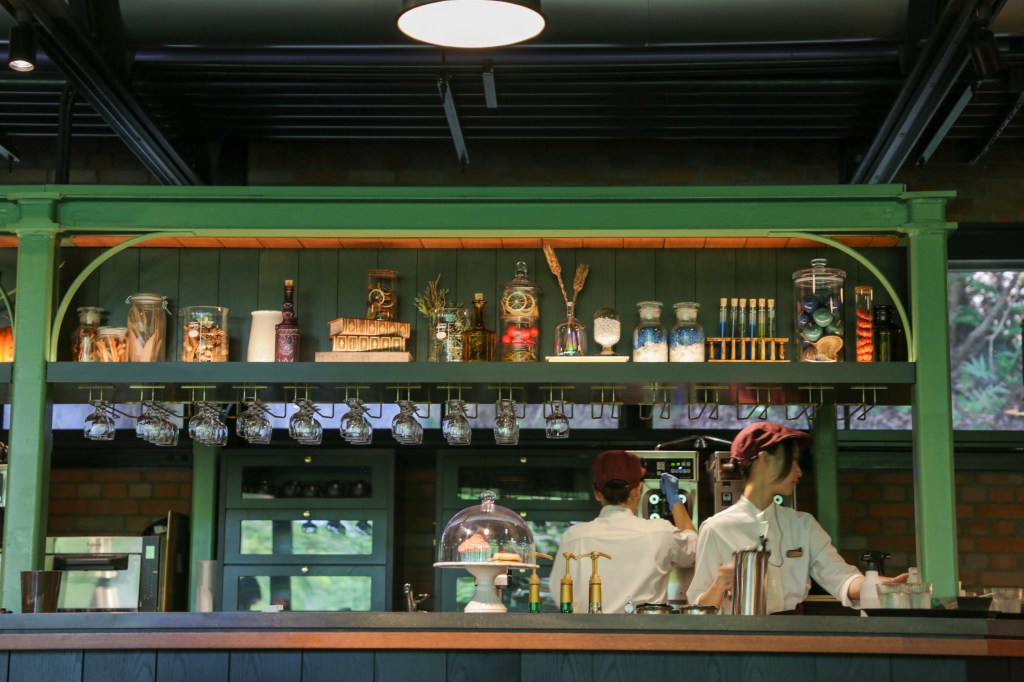
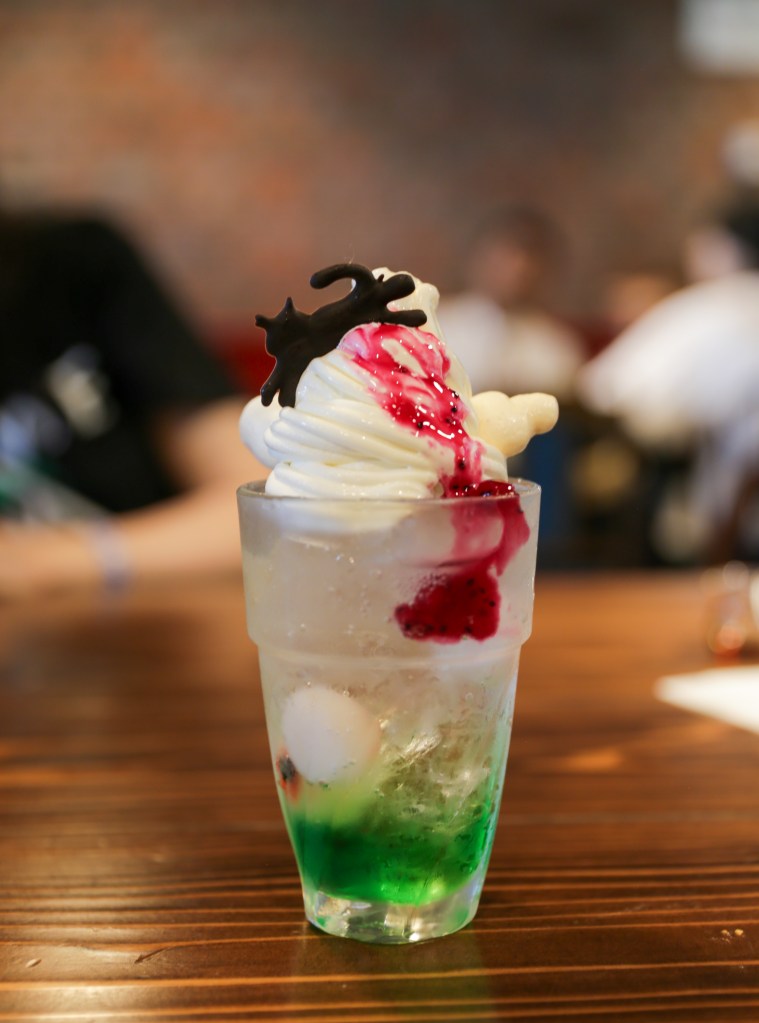
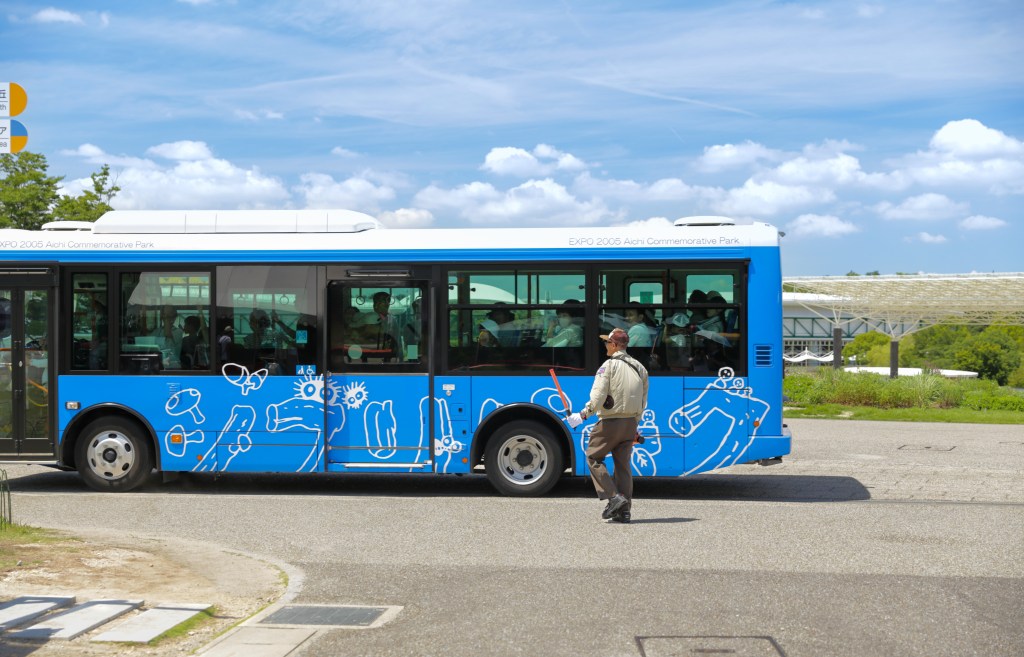
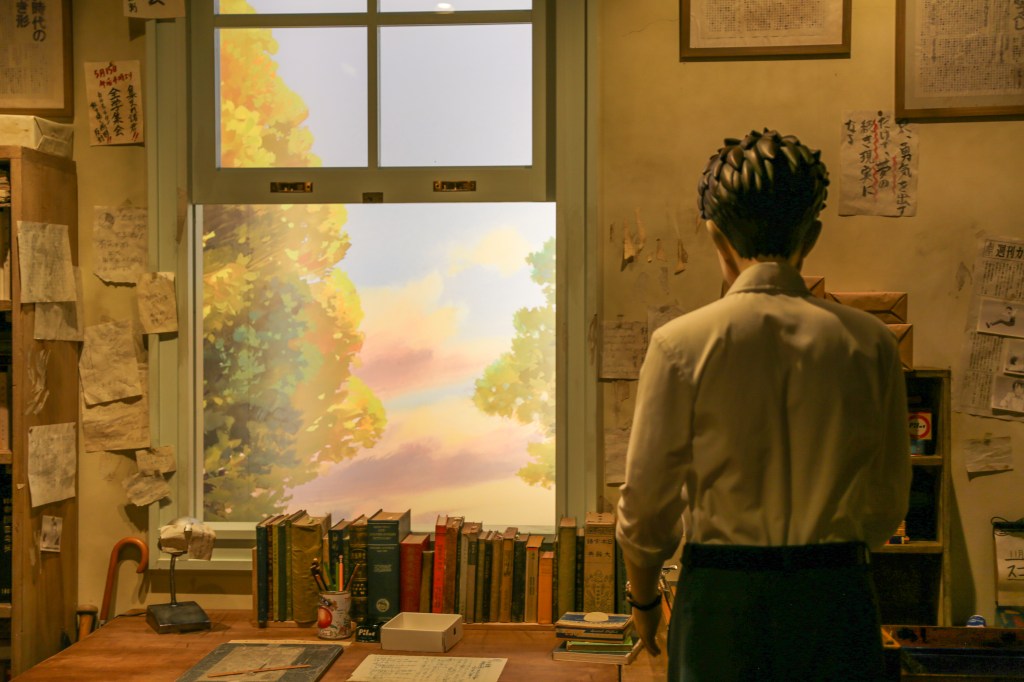
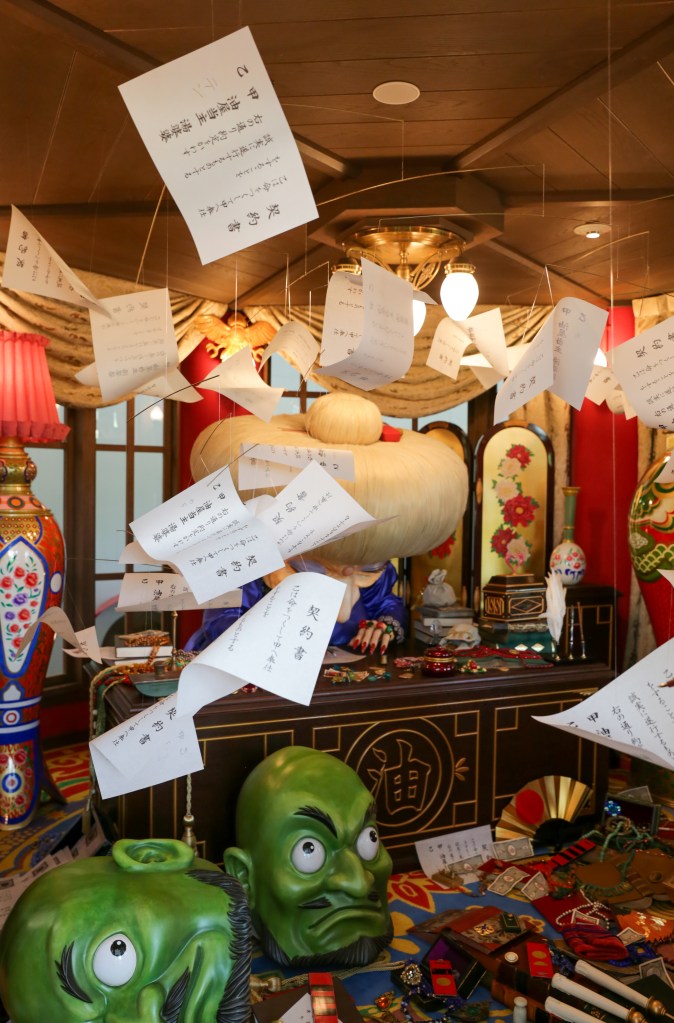
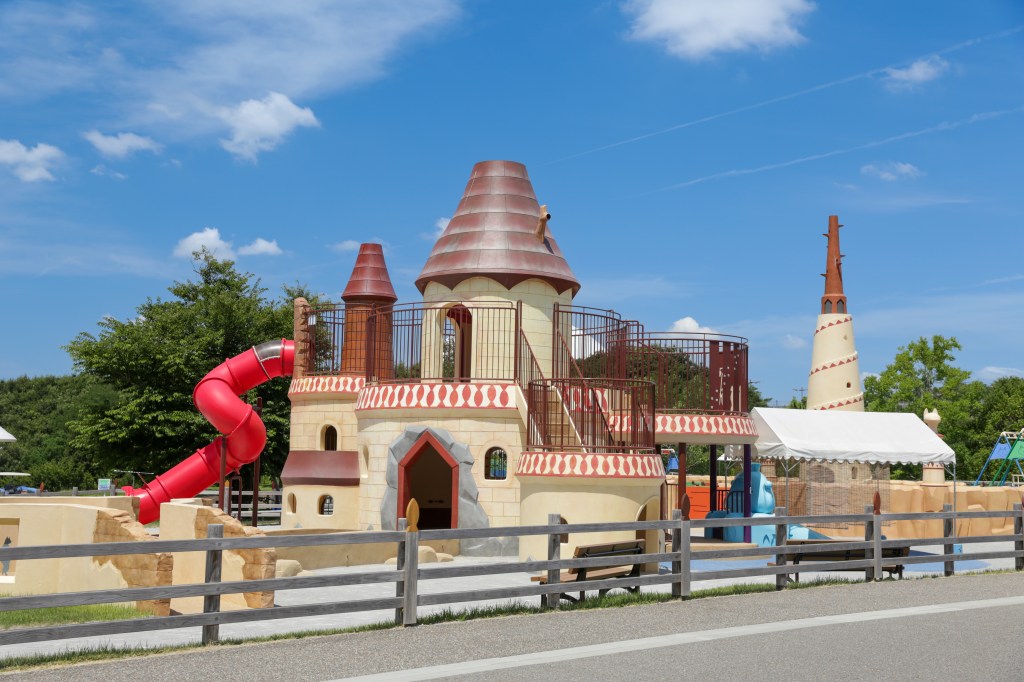
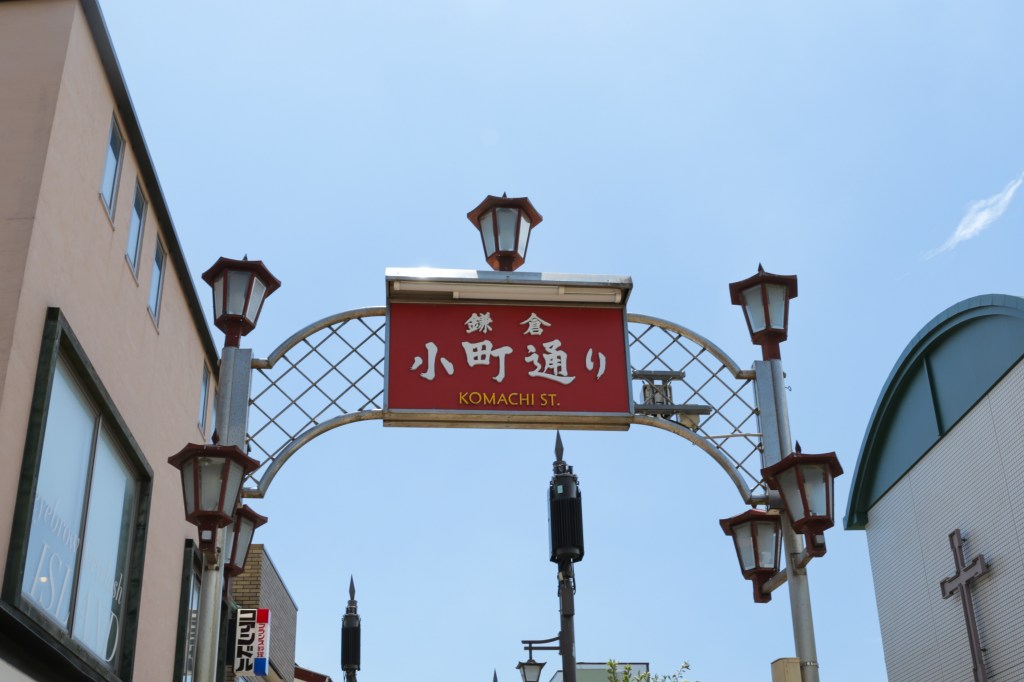
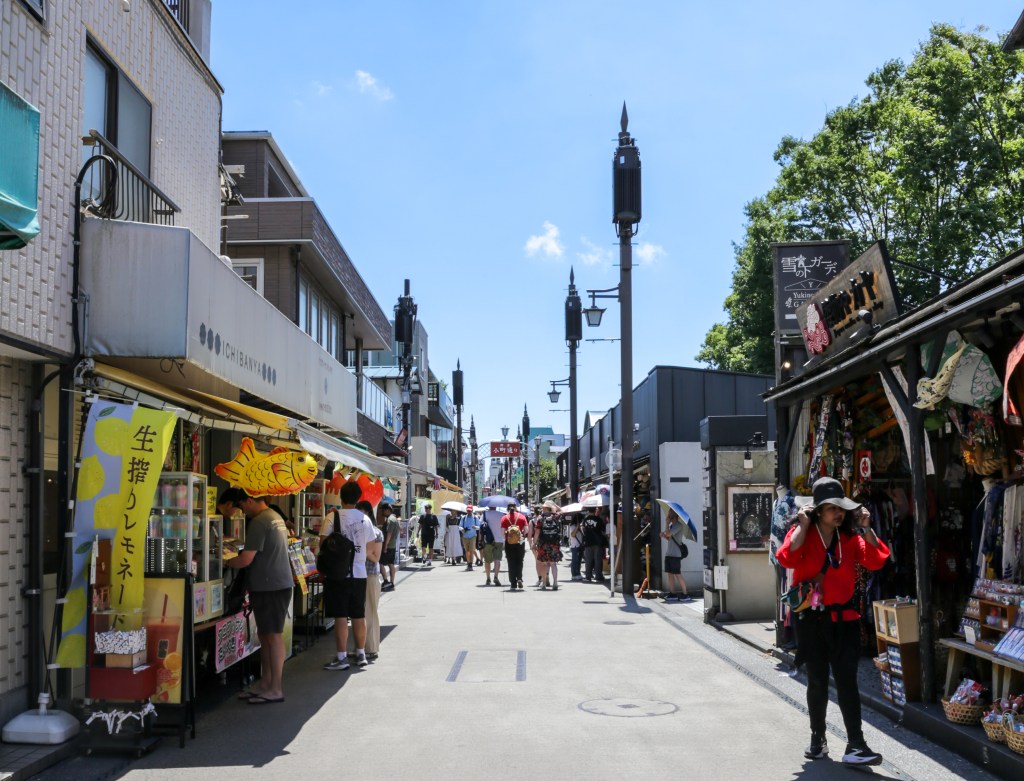
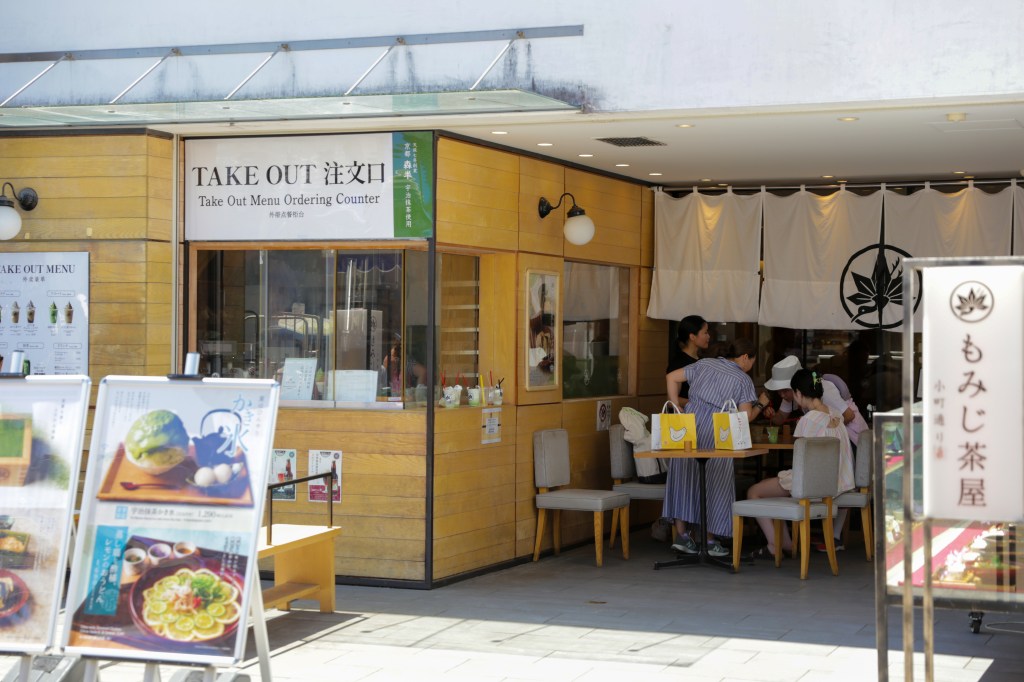
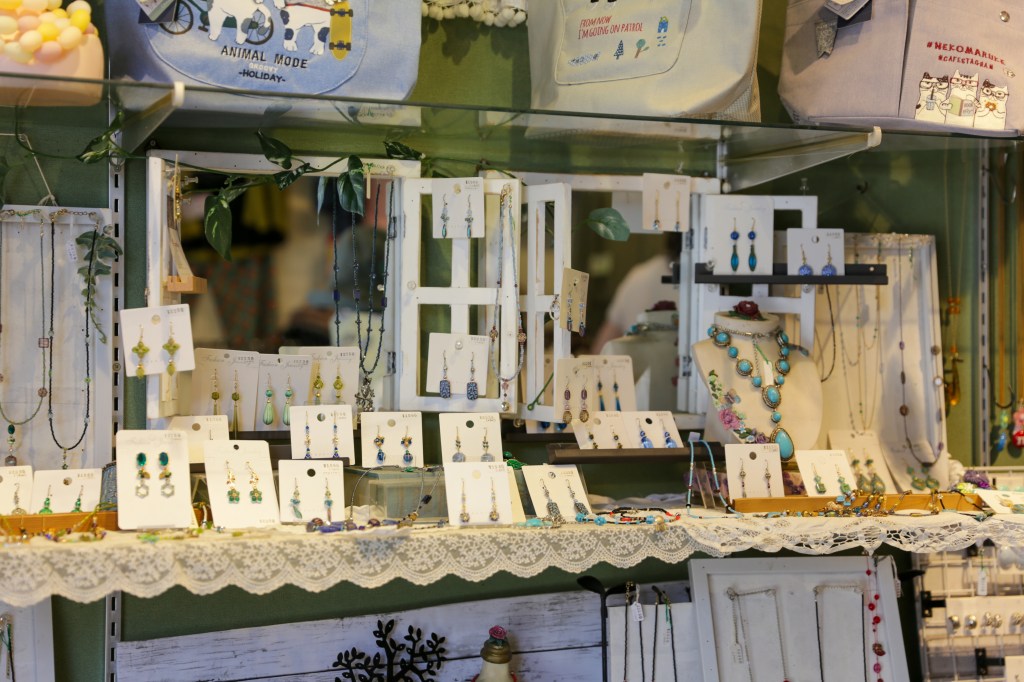
Stop 1: The welcome sign for Miyagawa Morning Market (宮川朝市) in Takayama invites both foreigners and locals to tour the stalls.Locals and tourists stroll through the Miyagawa Morning Market, browsing fresh produce and handmade crafts.A local sells her handmade wooden crafts, including keychains, figures, and necklaces under the blazing summer sun. Whew, what can cool us off?Try the “mysterious never-melting ice pop,” an item only sold in Japan and is advertised as a dessert that breaks the norms of frozen treats.The market’s stalls line the riverbank — a peaceful backdrop that has become a morning ritual for many.Stop 2: Sanmachi Suji, Takayama’s preserved merchant district, is adorned with their special Edo era-styled wooden buildings and small, sometimes almost invisible shops.A rustic shop sign, complete with a grilled river fish skewer — a promise of regional flavors.A rickshaw, or jinrikisha, was a quick alternative to walking horse-drawn carriages during the Meiji period. Its driver is parked in front of traditional wooden townhouses here.Nearby, a stone marker at the end of the Deai-bashi Bridge acts as the gateway into the United Nations Educational, Scientific, and Cultural Organization World Heritage village. An eye-catching bright red post box sits on a road in Shirakawa-go. Cool, but what about the scenery? Gassho-zukuri farmhouses can be seen through the summer greenery. Take a 15-minute hike and you get a drone-like view of the Shirakawa-ogimachi lane.Stop 3: At Ghibli Park, a colorful sign points to where fans can take pictures with exhibitions and real-life models of characters from their favorite movies.A life size figure of Ponyo runs through the waves.Mirroring a scene from Castle in the Sky, a Robot Soldier can be seen holding Sheeta.Between bustling streets, bronze statues of Jiji and his friends can be seen perched on top of this stone wall.A clock tower peers over European-styled streets with turret-roof houses, bringing Ghibli’s world to life.A life-size model of Howl’s Moving Castle is open for visitors to tour.Baristas at the “Flying OVEN” located in the Valley of Witches move about to create special drinks for guests.What’s that, an “Eyeball soda float”?A Ghibli-themed bus takes visitors around the park to view their differently-movie-themed areas.Princess Monoke’s mask and cloak are on display in front of a gift shop.A sunset scene from “From up on Poppy Hill” is replicated—straight out of the movie.Spirited Away’s Yubaba can be seen in her office with papers flying around in chaos.A castle with winding slides is an open playground open for children under 12 to enjoy.The welcoming gate to Komachi Street, the heart of Kamakura’s shopping and food scene.Komachi Street is open to pedestrians exploring boutiques, snack stalls, and souvenir shops.A cozy café offers a midday break with local specialties—including its famous matcha.Locally crafted jewelry invites visitors to take home a piece of Kamakura.





 Teens of Bay Area
Leave a comment